Are You Ready for Fire Season? How Forestry Operations Can Prepare Ahead of Time
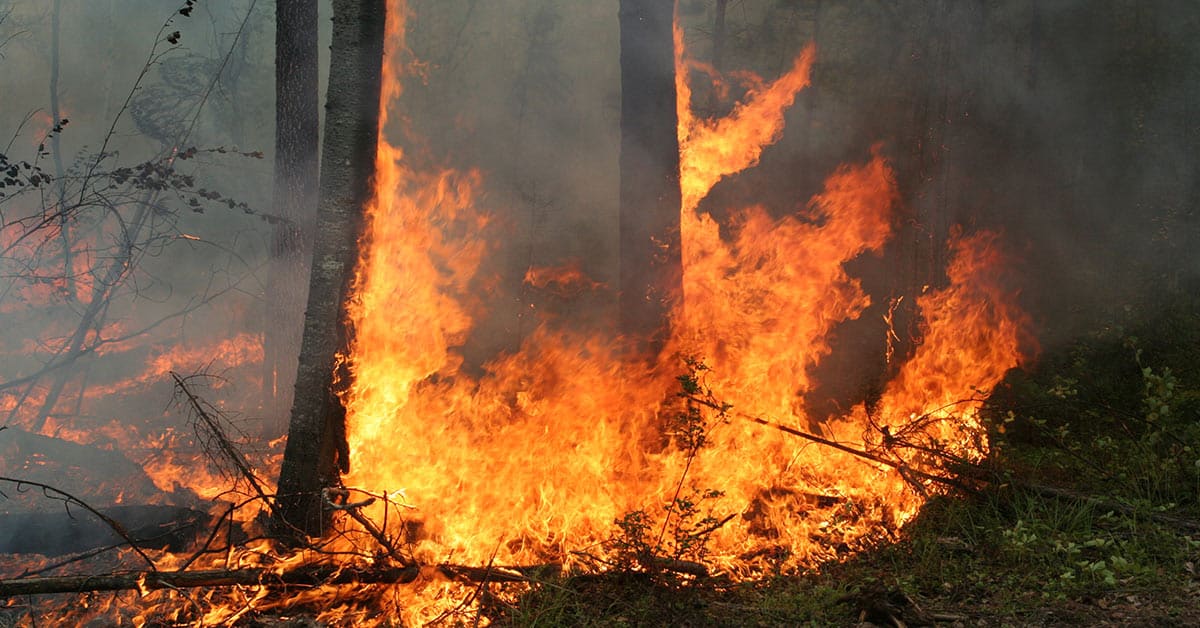
Fire season in the Pacific Northwest has evolved from a periodic concern to an annual reality that demands serious attention from forestry operators. With increasingly severe fire conditions across Oregon and Washington, protecting expensive forestry equipment and ensuring crew safety requires comprehensive pre-season preparation.
At Triad Machinery, we work with logging contractors throughout the region who face fire season challenges every summer and fall. Proper preparation of your Tigercat and Link-Belt forestry equipment can mean the difference between continuing operations safely and facing costly shutdowns, equipment damage, or worse.
As wildfire risk continues to grow across the Pacific Northwest, forestry contractors are also playing an increasingly important role in defensible space creation and fire mitigation work. From logging hazardous timber and removing ladder fuels to mulching vegetation and clearing overgrown property lines, contractors equipped with forestry mulchers, excavators, and logging equipment are helping landowners reduce fire danger before wildfire strikes.
This guide covers essential steps to prepare your machines and operations for fire season.
Understanding Fire Season Risks
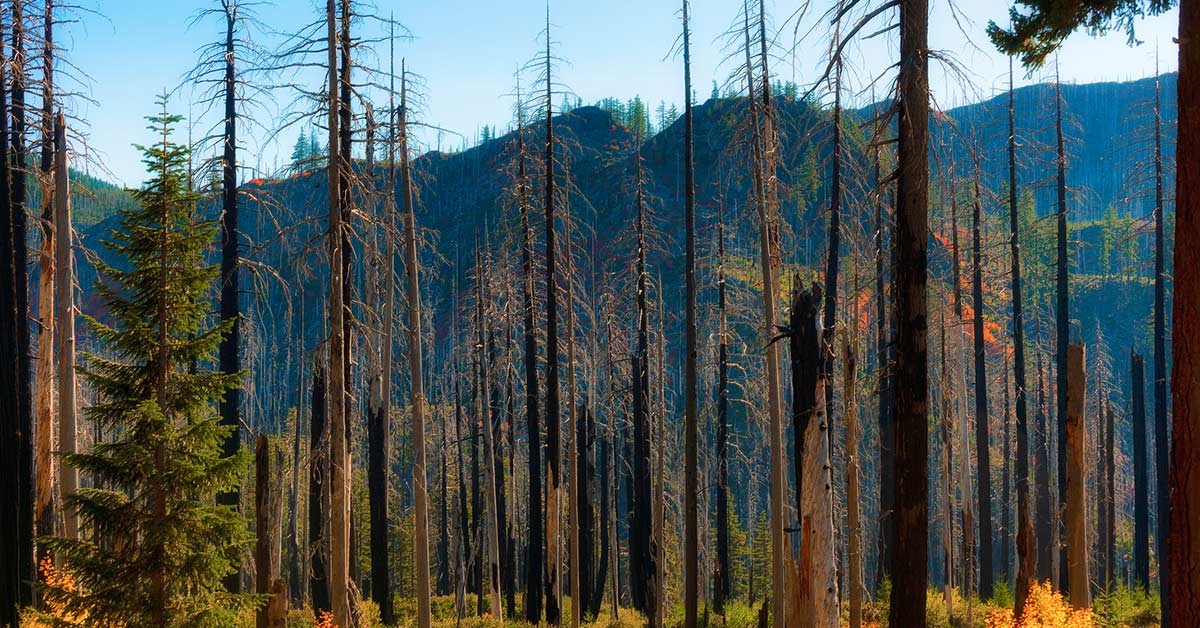
Fire season typically runs from June through October in Oregon and Washington, with peak risk in July through September. However, recent years have seen fire activity beginning earlier and extending later as drought conditions persist.
Equipment Vulnerabilities
Forestry equipment faces multiple fire-related risks:
Heat and Flame Exposure:
- Engine compartments generate significant heat that can ignite surrounding debris.
- Exhaust systems reach temperatures exceeding 1,200°F.
- Hydraulic systems operate under high pressure with flammable fluid.
- Fuel systems contain large quantities of diesel.
- Debris accumulation in undercarriages and components creates fire fuel.
Operational Hazards:
- Sparks from metal-on-rock contact during cutting or processing
- Electrical shorts or equipment malfunctions
- Hot surfaces igniting dry vegetation, slash piles, mulch material, or organic debris during logging, mulching, and defensible space operations
- Static electricity discharge in extremely dry conditions
Site Conditions:
- Dense slash and forest floor fuels surrounding equipment
- Dry, windy conditions that spread fires rapidly
- Limited escape routes in steep or confined terrain
- Distance from water sources or fire suppression equipment
- Heavy concentrations of dry brush, ladder fuels, and hazardous timber commonly encountered during fire mitigation and land clearing projects
Financial Impact
The cost of fire-related losses extends beyond direct equipment damage:
- Total loss of machines valued at hundreds of thousands to millions of dollars
- Lost revenue during forced shutdowns
- Increased insurance premiums following incidents
- Potential liability for caused fires
- Damage to business reputation and future contract opportunities
Defensible Space and Fire Mitigation Operations
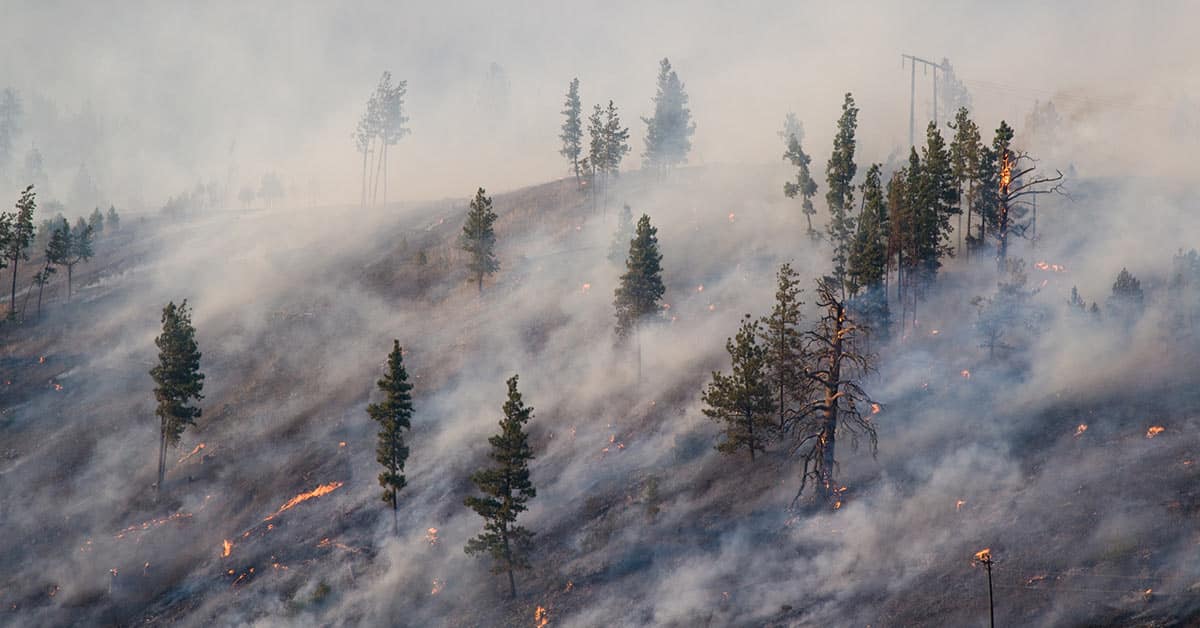
Creating defensible space has become one of the most important wildfire prevention strategies across Oregon and Washington. Property owners, timberland managers, municipalities, and utility contractors are increasingly investing in proactive vegetation management to reduce fuel loads and slow wildfire spread.
Forestry contractors equipped with excavators, mulchers, feller bunchers, and land clearing attachments are at the center of this work.
Common fire mitigation projects include:
- Removing dead or hazardous trees near homes, roads, and infrastructure
- Mulching brush and ladder fuels that allow fire to climb into tree canopies
- Clearing overgrown vegetation along property boundaries and access roads
- Reducing slash accumulation after logging operations
- Creating fuel breaks around communities and timberlands
- Managing understory vegetation in high-risk wildfire zones
Equipment reliability is especially critical during fire mitigation projects because contractors are often working in extremely dry, fuel-heavy environments where equipment-generated heat or sparks can quickly become ignition sources.
Properly maintained forestry machines not only improve productivity but also help contractors safely complete vegetation management and defensible space projects that protect communities and natural resources.
Triad Machinery supports contractors performing wildfire mitigation work with forestry equipment solutions, excavators, mulching capabilities, service support, and parts availability designed for demanding fire-prone environments.
Pre-Season Equipment Inspection and Maintenance
Systematic preparation begins months before peak fire season:
Engine and Exhaust Systems
The engine compartment and exhaust system present the highest fire risk on forestry equipment:
Comprehensive Cleaning:
- Remove all accumulated debris, sawdust, needles, and organic material from engine compartments,
- Use compressed air and hand tools to clean every accessible area.
- Pay special attention to areas around turbochargers and exhaust manifolds.
- Clean debris from cooling fins and heat exchangers.
- Remove any oil or fuel residue that could serve as ignition sources.
Exhaust System Inspection:
- Check exhaust pipes for cracks, holes, or loose connections.
- Verify all heat shields are intact and properly secured.
- Ensure spark arrestors are installed and functioning properly.
- Test exhaust wrap or insulation for damage or deterioration.
- Replace any compromised components before the season begins.
Engine Maintenance:
- Change oil and filters to ensure clean, efficient operation.
- Check the fuel system for leaks or deterioration.
- Inspect electrical connections for proper insulation.
- Test cooling system to prevent overheating.
- Verify all guards and shields are properly installed.
Hydraulic Systems
Hydraulic systems under pressure can spray flammable fluid onto hot surfaces:
Hose and Fitting Inspection:
- Examine every hydraulic hose for abrasion, cracking, or age deterioration.
- Check all fittings for proper tightness.
- Look for evidence of previous leaks (staining or debris accumulation).
- Replace any questionable hoses before they fail.
- Consider upgrading to fire-resistant hydraulic hoses in critical areas.
System Cleaning:
- Remove debris accumulation around hydraulic components.
- Clean cylinders, motors, and valves of organic material.
- Ensure hoses aren’t routed through debris accumulation areas.
- Verify protective guards are in place where hoses contact structure.
Electrical Systems
Electrical shorts or failures can generate ignition sources:
Battery Inspection:
- Check battery connections for corrosion or looseness.
- Verify battery hold-downs are secure.
- Clean battery compartments of debris.
- Test battery condition and replace if weak.
- Ensure battery compartments are sealed against debris entry.
Wiring Examination:
- Inspect visible wiring harnesses for damage or deterioration.
- Check for proper routing away from heat sources.
- Look for chafing or damaged insulation.
- Test alternator and charging system operation.
- Verify all electrical panels are properly sealed.
Undercarriage and Track Systems
Undercarriages collect debris that can ignite and spread fire into critical areas:
Thorough Cleaning:
- Remove all organic debris from tracks, rollers, and idlers.
- Clean accumulation from between track links.
- Remove debris from undercarriage frame areas.
- Use pressure washers for hard-to-reach areas.
- Inspect for oil leaks that attract and hold debris.
Component Inspection:
- Check for damaged seals that leak grease or oil.
- Verify guards and covers are intact.
- Look for areas where debris accumulates quickly.
- Consider modifications to reduce debris collection.
Fire Suppression Equipment
Every forestry machine should carry fire suppression capability:
Fire Extinguisher Requirements:
- Install properly rated extinguishers (minimum 10-lb ABC rated).
- Mount in easily accessible locations.
- Verify extinguishers are within the service date.
- Ensure operators know extinguisher locations and operation.
- Consider multiple extinguishers on larger machines.
Additional Suppression Options:
- Automatic fire suppression systems for high-risk machines.
- Water tanks and pumps for immediate response capability.
- Foam systems for specialized applications.
- Properly maintained suppression equipment with regular testing.
Operational Modifications for Fire Season
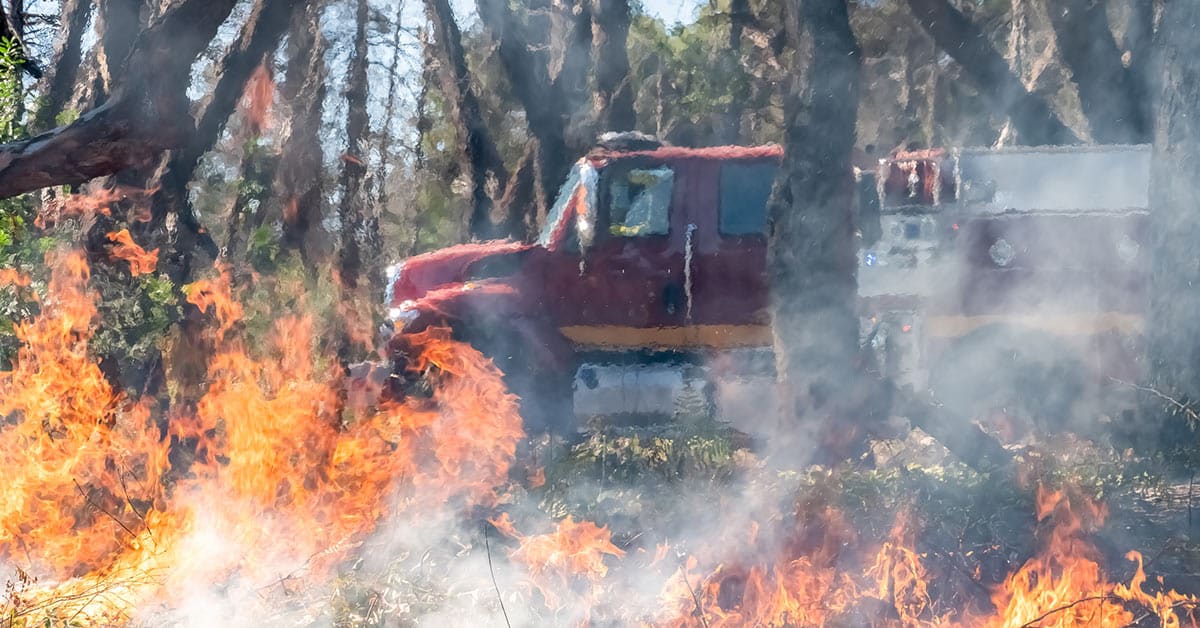
Beyond maintenance, operational changes reduce fire risk:
Daily Cleaning Protocols
During fire season, daily cleaning becomes essential:
End-of-Shift Cleaning:
- Remove all debris from engine compartments at shift end.
- Clean exhaust systems and surrounding areas.
- Clear undercarriages of accumulated material.
- Remove debris from operator platforms and access areas.
- Conduct visual inspection of the entire machine.
Mid-Day Checks:
- Inspect for debris accumulation during lunch or fuel breaks.
- Look for unusual heat or smoke.
- Check for hydraulic or fuel leaks.
- Remove any spotted debris immediately.
Timing and Location
Strategic operational planning reduces exposure:
Work Schedule Adjustments:
- Begin operations early morning when conditions are coolest.
- Cease operations during periods of high temperature and low humidity.
- Monitor wind conditions and stop work when dangerous.
- Avoid operations during Red Flag Warning days.
Site Selection:
- Prioritize work in areas with reduced fire risk.
- Avoid extremely dry, flashy fuel types during peak danger.
- Choose sites with good access to water or suppression resources.
- Consider proximity to escape routes and safety zones.
Landing and Staging:
- Clear landings of flammable debris.
- Maintain wide buffer zones around parked equipment.
- Avoid parking in heavy fuels or slash.
- Create fuel-free zones around fuel storage and maintenance areas.
Note: For contractors performing defensible space or vegetation management work, staging areas should also be cleared of mulch piles, slash material, and combustible debris generated during operations. Maintaining clean work zones significantly reduces ignition potential and improves overall site safety.
Operator Training and Awareness
Well-trained operators are your first line of defense:
Fire Prevention Training:
- Review fire risks specific to each machine type.
- Practice fire extinguisher use.
- Teach recognition of pre-ignition indicators (smoke, unusual heat, smells).
- Establish clear procedures for fire response.
- Review escape routes and safety zones for each site.
Situational Awareness:
- Train operators to monitor weather and fire danger levels.
- Emphasize the importance of daily equipment inspections.
- Encourage reporting of any concerning equipment conditions.
- Establish communication protocols for fire incidents.
- Practice emergency response procedures.
How To Track Fire Season in the Northwest
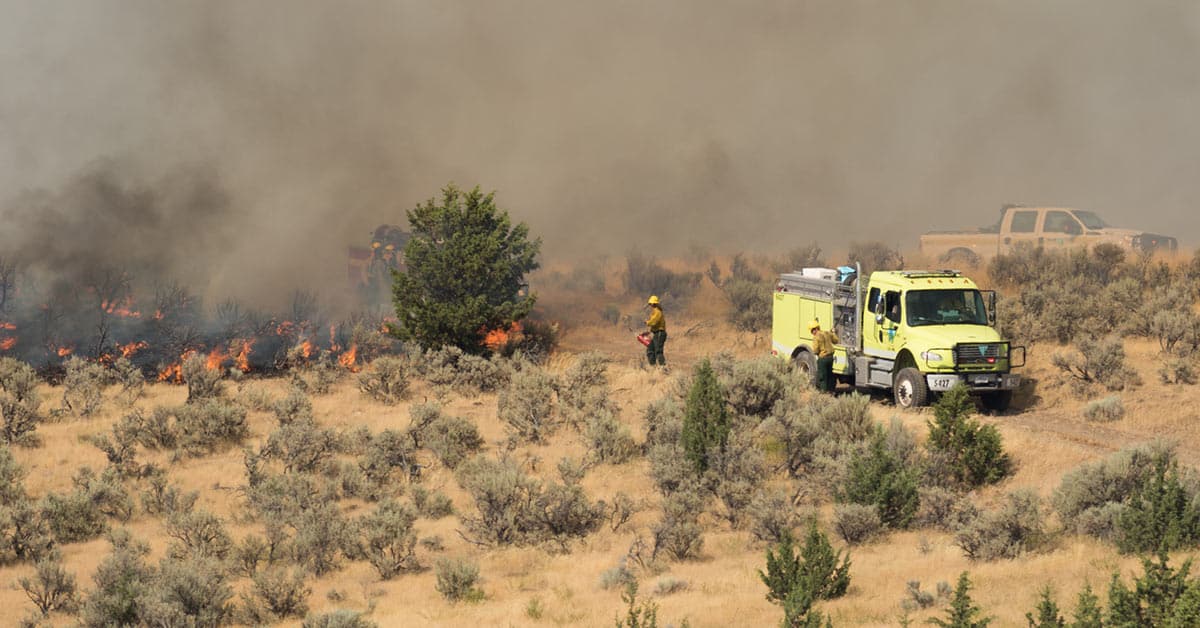
There are a number of resources you can use when trying to monitor fire conditions this summer. Follow platforms like Keep Oregon Green or Before You Burn in Oregon, and the NWCC across the entire Pacific Northwest, to keep track of the latest information related to wildfires.
Conclusion
Fire season preparation for forestry equipment is no longer optional in Oregon and Washington. It’s essential for business survival. By implementing comprehensive maintenance, adopting fire-safe operational practices, training crews thoroughly, and maintaining vigilant awareness throughout the fire season, you can protect your expensive equipment investment, and most importantly, keep your crew safe.
The time to prepare is now, before fire season arrives. A systematic approach to equipment inspection, maintenance, modification, and operational planning will position you for success throughout the challenging months ahead.
Triad Machinery is your partner in fire season preparation and wildfire mitigation operations. From parts and service to expert consultation on fire prevention modifications, we help contractors prepare forestry equipment for the demanding conditions that come with logging, mulching, land clearing, and defensible space projects.
Whether you’re reducing hazardous fuels, creating defensible space, or performing large-scale vegetation management, Triad Machinery provides the forestry and excavator equipment solutions contractors rely on to complete fire mitigation work safely and efficiently. Contact us today to learn more about equipment options and support for wildfire prevention operations.